Tag: Bible
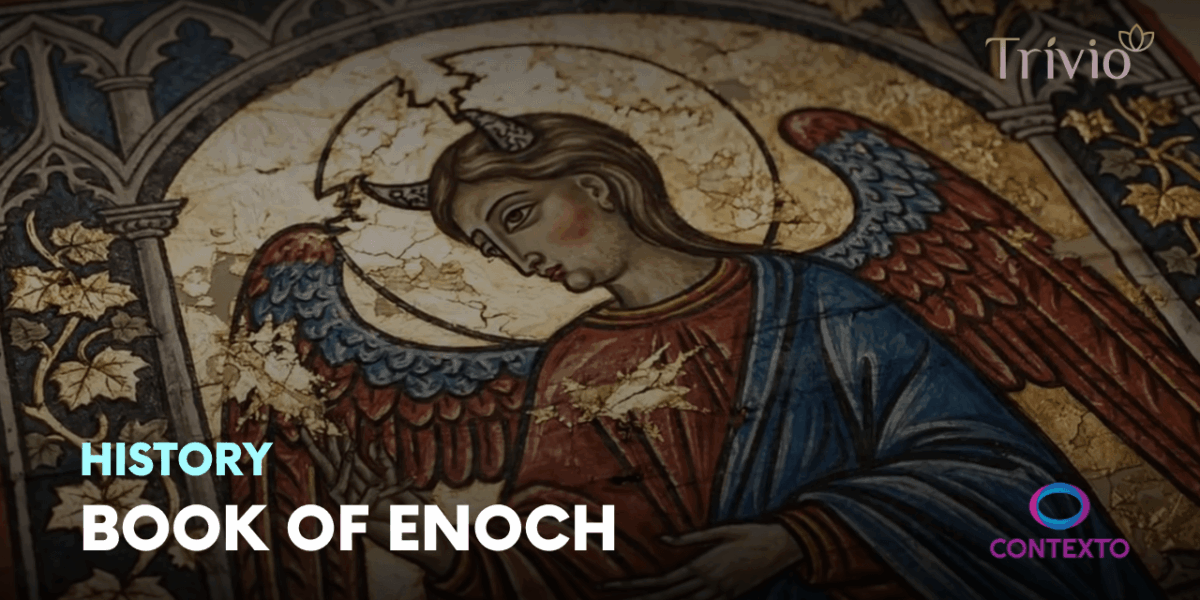
Book of Enoch: the secrets of fallen angels and the origin of the Nephilim
Among the forgotten pages of religious history, the Book of Enoch remains one of the most enigmatic and controversial texts of antiquity. Excluded from the biblical canon by most Christian traditions, this apocryphal manuscript reveals disturbing narratives about rebellious angels, antediluvian giants, and celestial secrets that were deliberately suppressed over the centuries. The work attributed to Enoch, the mysterious patriarch

The Maccabean Revolt: the rebellion that changed Judaism forever
The Maccabean Revolt represents one of the most dramatic and consequential episodes in ancient Jewish history, an insurrection that not only ensured Judaism’s survival against existential threats but also established foundations for profound political and religious transformations. Between 167 and 160 BCE, a family of priests led an improbable revolt against the powerful Seleucid Empire, challenging not only Hellenistic military
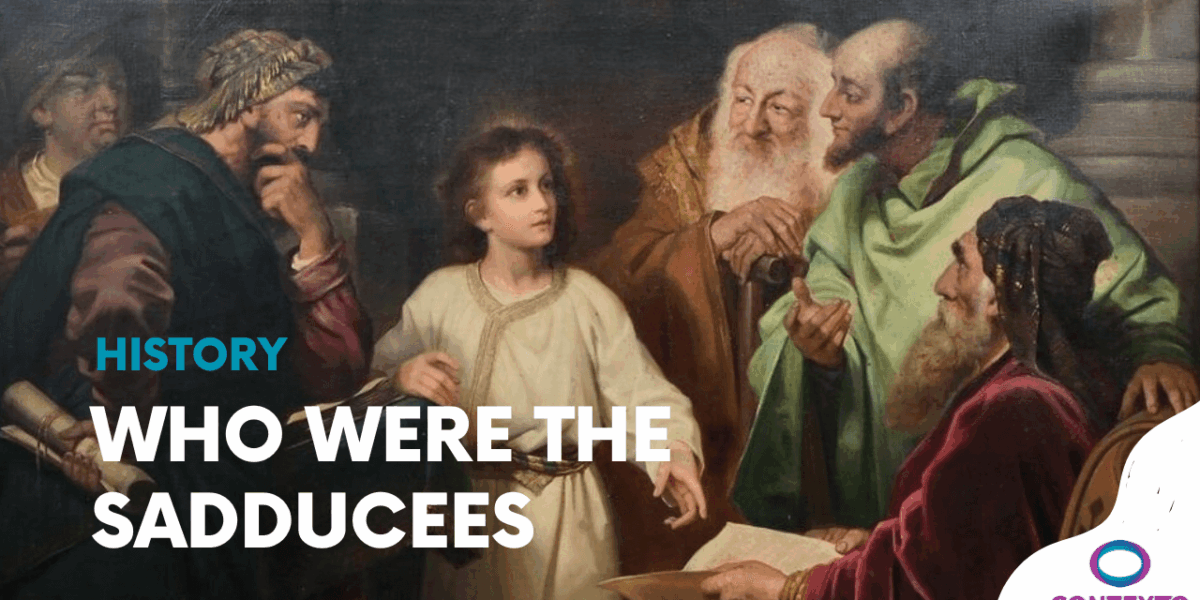
Who Were the Sadducees: The Enigmatic Group That Shaped Ancient Judaism
Sadducees were one of the most influential and, at the same time, most enigmatic groups of ancient Judaism. Contemporaries of Jesus Christ and frequently mentioned in the Bible, these powerful religious and political leaders played a fundamental role in Jewish society during the Second Temple period. Understanding who the Sadducees were, their beliefs and practices, is essential not only for
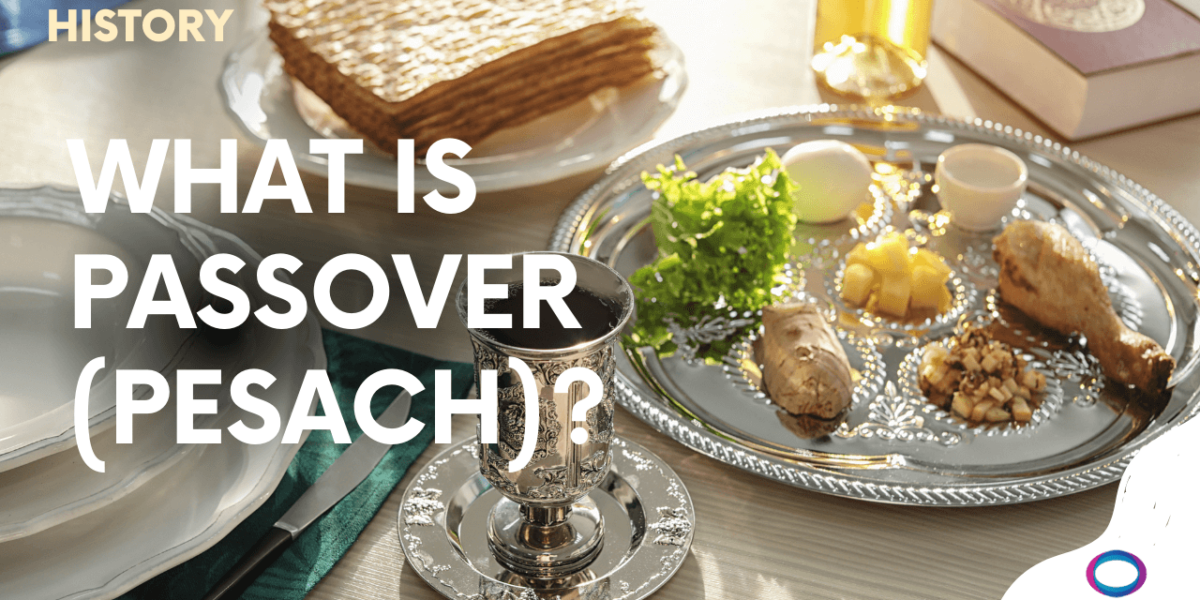
What Is Pesach? Discover the Meaning and Traditions of the Jewish Passover
Pesach, also known as the Jewish Passover, is one of the most important holidays in the Jewish calendar. Even if you’re not Jewish, you might have heard about it — and wondered what it truly represents. The Meaning of Pesach Pesach commemorates the liberation of the Israelites from slavery in Egypt, a key event described in the Book of Exodus
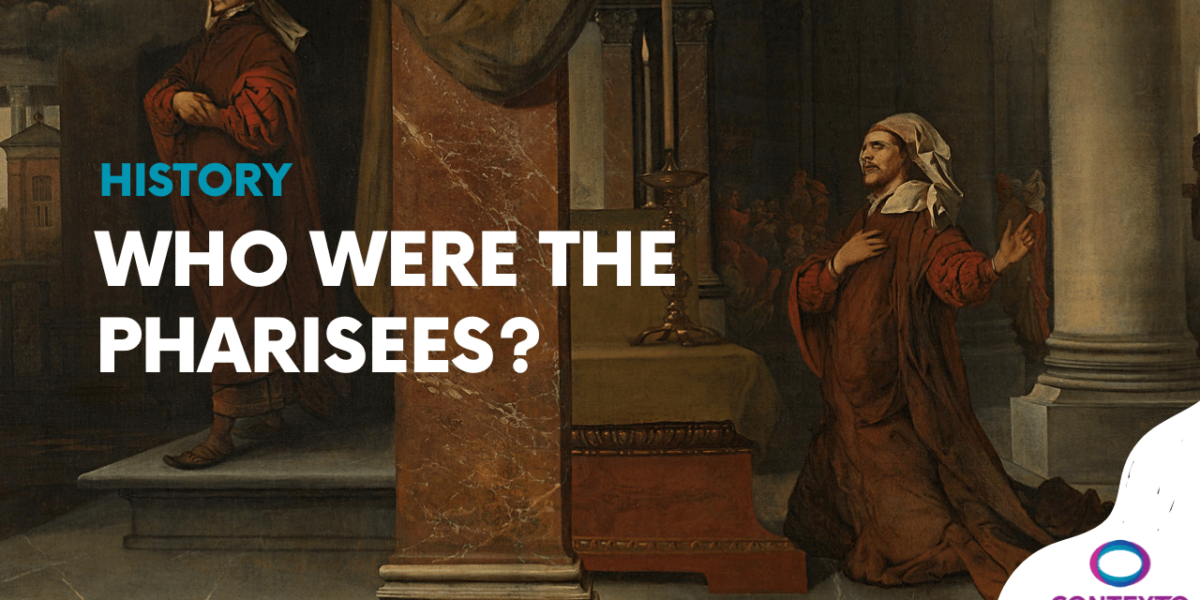
Who Were the Pharisees? A Historical Perspective on the Most Misunderstood Group in the Bible
“Woe to you, teachers of the law and Pharisees, you hypocrites! You clean the outside of the cup and dish, but inside they are full of greed and self-indulgence.”— Matthew 23:25 The Pharisees in the Bible: Enemies or a Reflection? The Pharisees frequently appear in the New Testament, often in conflict with Jesus. But who were they, really? Were they